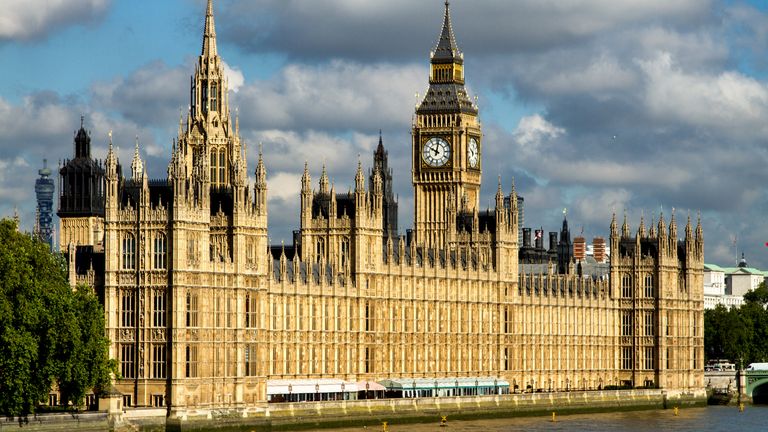
The Palace of Westminster faces a growing threat of catastrophic failure if urgent decisions regarding its long-delayed restoration and renewal programme are not made. According to a report published by the Public Accounts Committee, continued postponements have elevated the risks to real and dangerous levels, warning of potential scenarios comparable to the devastating 2019 Notre-Dame fire or major disruptions to parliamentary proceedings.
Escalating Costs and Deteriorating Infrastructure
The historic estate is currently suffering from structural wear that, without comprehensive intervention, will result in managed decline. Maintenance costs alone are projected to climb from £1.5 million to £2 million per week in the coming years. Furthermore, the committee noted that every year the refurbishment programme is delayed adds an estimated £420 million to the overall cost of delivery.
These warnings arrive ahead of critical parliamentary votes aimed at determining the future direction of the project. Lawmakers first voted to temporarily vacate the building in 2018 to facilitate extensive repairs, but deep divisions and subsequent hesitations have continually pushed back decisive action. Critics of the delays argue that kicking the can down the road squanders vast sums of public money while inviting international embarrassment.
Weighing the Path Forward
Parliamentarians face a difficult choice among several proposals to execute the refurbishment. The options under consideration include a full decant of the estate, which could take up to 24 years and cost up to £15.6 billion, versus a partial decant approach that might span more than six decades and approach £40 billion in expenses. An initial phase capped at £3 billion is proposed to relocate both Houses and administrative offices to temporary sites, though concerns remain over whether these interim facilities will be ready in time.
Public discourse surrounding the historic building reflects deep divisions. Some argue that preserving the current site is essential for maintaining institutional continuity and national heritage, noting that the architectural legacy and UNESCO world heritage status demand diligent preservation regardless of the financial hurdles. Others question the practicality of pouring billions into an aging and inefficient facility, suggesting alternative solutions ranging from decentralized governance to modern purpose-built legislative centers.
As the debate continues, the debate over how to safeguard the estate without bankrupting taxpayers remains fiercely contested. One observer remarked on the fundamental tension surrounding the project, noting that "the UK doesn’t have a single, codified constitution or a revolutionary 'founding moment,'" and that "our entire democracy relies on tradition, historical continuity, and institutional norms." Conversely, others express frustration at the prolonged indecision, with one comment capturing a more cynical view of the political hesitation: "They've been saying this for decades. Problem is there's never a good time, politically, for MPs to vote to spend many billions on refurbishing their offices."
With maintenance bills mounting and safety hazards increasing, the pressure on lawmakers to move beyond debate and commit to a definitive course of action has never been more urgent.

